
In today’s fast-paced digital world, a well-designed and user-friendly website is essential for any business to stay competitive. However, the idea of a website redesign can be daunting, especially for small businesses or startups with limited budgets. The good news is that a website redesign doesn’t have to break the bank. In this article, we will explore effective tips and strategies for a cost-effective website redesign that delivers impactful results.
Assess Your Current Website
Before diving into a redesign, take the time to assess your current website thoroughly. Identify the strengths and weaknesses of your existing design, functionality, and content. Understanding what is working and what needs improvement will help you prioritize your budget and focus on areas that truly matter.
Set Clear Goals and Objectives
Define clear goals and objectives for your website redesign project. Are you looking to increase conversions, improve user experience, or enhance brand identity? Setting specific goals will guide your decisions throughout the redesign process and ensure that you allocate your resources wisely.
Research and Planning
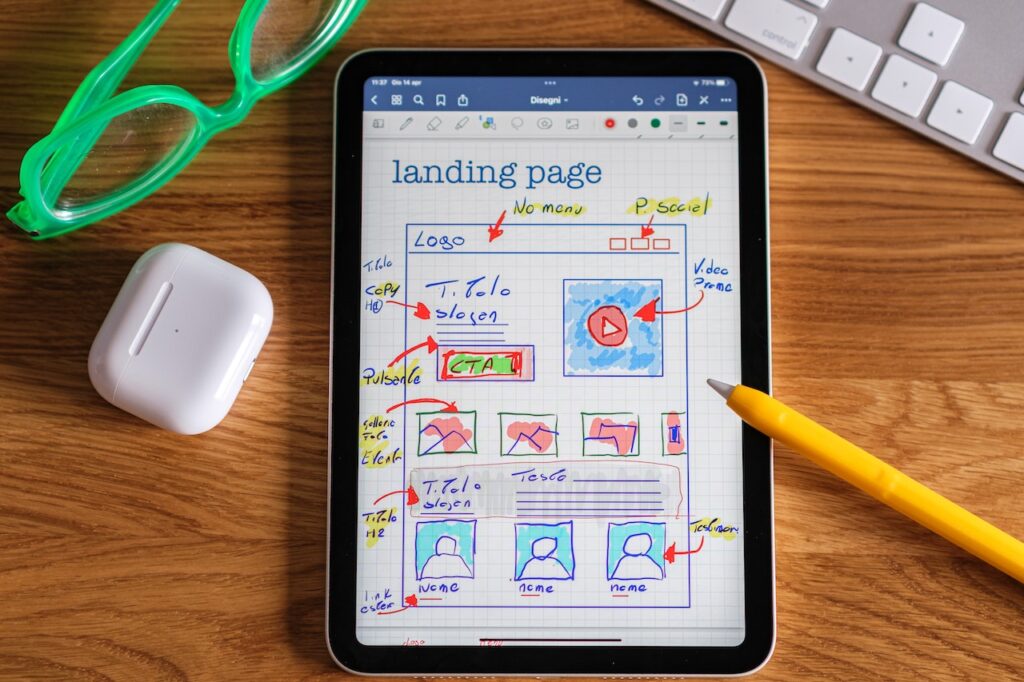
Thorough research and planning are crucial for a cost-effective website redesign. Explore industry trends, analyze competitor websites, and gather inspiration from successful websites. Create a detailed plan outlining the key elements you want to incorporate in your new design, such as improved navigation, responsive layout, or enhanced visual aesthetics.
Content Optimization
Consider optimizing your existing content rather than starting from scratch. Review your website’s content, identify outdated or irrelevant information, and repurpose or reorganize it to align with your new design. Effective content optimization can save you time and resources while still delivering a fresh and engaging user experience.
Choose an Affordable Website Platform
When working on a budget, it’s essential to choose an affordable website platform that suits your needs. Open-source content management systems like WordPress or Joomla offer cost-effective solutions with a wide range of customizable themes and plugins. These platforms provide flexibility and scalability without compromising on quality.
Minimalistic Design Approach
Simplicity is key when it comes to cost-effective website redesign. Adopting a minimalistic design approach not only saves on development time but also creates a clean and modern aesthetic. Focus on essential elements, declutter unnecessary visuals, and prioritize user-friendly navigation. A minimalistic design can be just as impactful as more elaborate and expensive designs.
DIY vs. Professional Assistance
Consider your capabilities and resources when deciding whether to tackle the website redesign yourself or seek professional assistance. While a DIY approach can save costs, it may be beneficial to invest in the expertise of web design professionals, especially for complex functionalities or customization requirements. Compare the pros and cons of each option and choose the best fit for your budget and long-term goals.
Optimize for Mobile Responsiveness
In today’s mobile-driven world, optimizing your website for mobile responsiveness is vital. Mobile-friendly websites not only provide a seamless user experience but also contribute to better search engine rankings. Responsive design ensures your website adapts to different screen sizes and devices, reaching a wider audience without the need for separate mobile apps or development.
Prioritize Key Pages and Features
When working on a limited budget, it’s essential to prioritize the most critical pages and features of your website. Identify the pages that generate the most traffic or drive conversions and allocate resources accordingly. This approach allows you to focus on enhancing user experience and achieving your primary objectives without stretching your budget too thin.
Test and Iterate
Testing and iterative improvements are key to a successful website redesign. Launch your redesigned website with a focus on gathering user feedback and monitoring analytics. Use tools like heatmaps and user session recordings to understand how visitors interact with your new design. Based on the insights gained, make data-driven iterations to further optimize your website’s performance.
Redesigning a website on a limited budget is entirely possible with the right strategies in place. By assessing your current website, setting clear goals, conducting thorough research, optimizing content, and adopting cost-effective approaches like minimalistic design and mobile responsiveness, you can achieve a successful website redesign without breaking the bank. Remember, a budget-friendly website redesign doesn’t have to compromise on quality or impact. With careful planning and smart decision-making, you can transform your website into a powerful tool that drives business growth and delivers a compelling user experience.